Swiss Food Culture: Traditions, Brunch, Apéro & Iconic Dishes Explained
Switzerland is famous for its stunning landscapes, but its food culture is equally rich and fascinating. Swiss cuisine is a perfect blend of tradition, quality ingredients, and social dining experiences. From cozy cheese dishes to relaxed Sunday brunches and evening Apéros, food in Switzerland is about more than eating—it’s about connection, lifestyle, and culture.
What Makes Swiss Food Culture Unique?
Swiss food culture is deeply influenced by its neighboring countries—France, Italy, and Germany. Each region in Switzerland has its own identity, flavors, and cooking styles.
What truly makes Swiss cuisine special is:
Focus on fresh, local, and seasonal ingredients
Simple yet high-quality cooking techniques
Strong traditions around sharing meals
A balance between comfort food and refined dishes
For chefs and food lovers, Switzerland is a place where simplicity meets perfection.
Famous Swiss Dishes You Must Try
No discussion of Swiss food is complete without its iconic dishes:
Fondue – Melted cheese served in a communal pot, eaten with bread.
Raclette – Warm melted cheese served over potatoes with pickles.
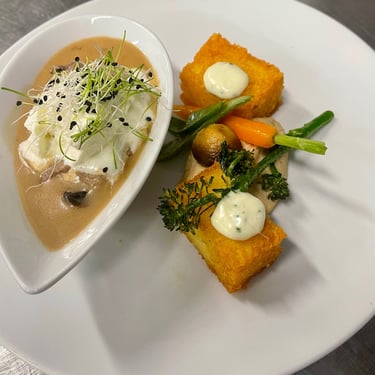
Rösti – Crispy fried potatoes, often served as a side or main dish.
These dishes are not just meals—they are experiences that bring people together.
Swiss Cheese and Chocolate: World-Class Quality
Switzerland is globally recognized for its premium cheese and chocolate. Swiss cheese is an essential part of daily life, used in cooking or enjoyed on its own.
Chocolate, on the other hand, represents precision and craftsmanship. Swiss chocolatiers are known for producing some of the finest chocolate in the world.
Sunday Brunch in Switzerland
One of the most loved traditions in Swiss food culture is the Sunday brunch. It’s a time when families and friends gather to relax and enjoy a long, peaceful meal.
A typical Swiss brunch includes:
Fresh bread, croissants, and pastries
Butter, jams, and honey
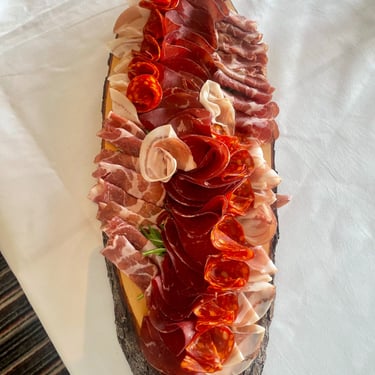
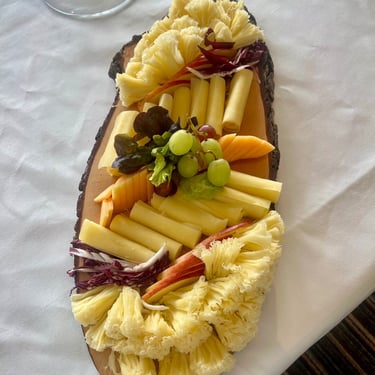
Cheese and cold cuts
Eggs (boiled, scrambled, or fried)
Coffee, tea, and fresh juices
Sunday brunch in Switzerland is not rushed. It reflects a lifestyle that values time, family, and good food.
Apéro: The Swiss Social Food Tradition
Another key part of Swiss lifestyle is the Apéro (short for aperitif). It’s a casual social gathering that usually happens after work or before dinner.
Typical Apéro foods include:
Cheese and charcuterie
Olives, nuts, and small snacks
Bread and crackers
Drinks may include wine, beer, or non-alcoholic options.
Apéro is all about relaxing, socializing, and enjoying simple food. It’s a daily ritual for many people in Switzerland and an important part of the culture.
Seasonal and Regional Swiss Cuisine
Swiss food changes with the seasons:
Winter: Hearty dishes like fondue and raclette
Summer: Light meals, salads, and fresh vegetables
Each region also offers local specialties, making Switzerland a diverse culinary experience for visitors and residents alike.
Swiss Dining Culture: Slow and Meaningful
In Switzerland, meals are meant to be enjoyed slowly. People take time to sit together, talk, and connect.
Unlike fast-paced dining in many countries, Swiss food culture emphasizes:
Quality over speed
Social interaction
Mindful eating
This approach makes every meal more meaningful.
Why Swiss Food Culture Stands Out
Swiss cuisine may seem simple at first, but it is deeply rooted in tradition, quality, and community. Whether it’s sharing a pot of Fondue, enjoying a relaxed brunch, or meeting friends for an Apéro, food in Switzerland is about bringing people together.
Final Thoughts
Swiss food culture is a beautiful combination of tradition, simplicity, and social connection. For chefs, it offers valuable lessons in respecting ingredients and mastering fundamentals. For visitors, it provides unforgettable culinary experiences.
If you want to truly understand Switzerland, start with its food—because every dish tells a story of culture, history, and community.